

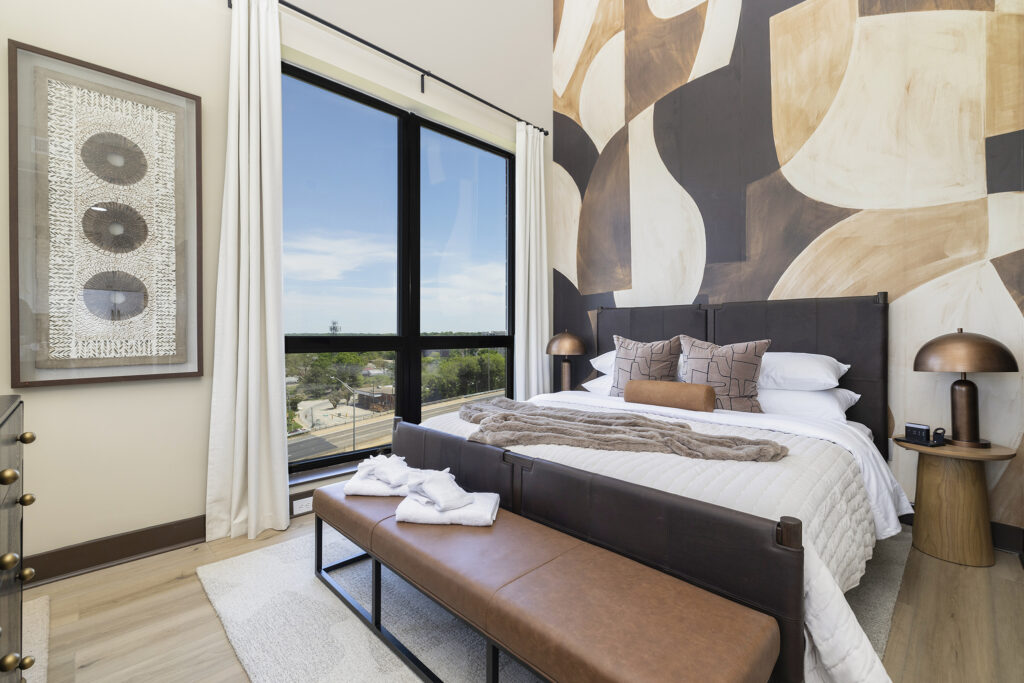
The challenge with commercial hospitality furniture is that it has to do two jobs at once. It needs to survive real, heavy daily use and it has to look right because in a hotel or restaurant, furniture is a part of how guests experience the place. When those two things aren’t balanced, it shows.
I have been working on hospitality projects for over 8 years now and I often see how details can ruin the first impression of your place. It can be outdoor furniture that’s gone patchy from sun exposure, or a dining chair that scrapes across the floor every time it moves. Small things, but the kind guests remember without knowing why.
This guide covers what it takes to get that balance right. I’ll explore how to budget by room type, how to find the right mix between contract-grade durability and design, which materials hold up best in high-traffic spaces and how to specify outdoor furniture that lasts. You’ll also find out what a realistic project timeline is, depending on the type of your project.
What Makes Hospitality Furniture Different
There are three things that set hospitality furniture apart from the furniture you’d buy for a commercial space:
- Sheer use. A chair in a busy hotel lobby or restaurant might be sat in, leaned on and moved around ten to fifteen times more often in a day than a chair in a corporate office. That kind of wear adds up fast and furniture that wasn’t built for it shows its age within months, not years.
- Hotel brand standards. In hospitality, furniture is a part of what a guest sees and feels the moment they walk in. The chairs, the tables, the texture of the upholstery all say something about the place, whether that’s intentional or not. A mismatched or worn-out piece can undercut an otherwise carefully designed space.
- Regulation. Hospitality furniture often has to meet specific certification and safety standards, such as flame-retardant (FR) fabrics, customer’s-own-material (COM) approvals and outdoor durability ratings. That doesn’t typically apply to standard commercial furniture.
That’s why picking the right furniture vendor matters more in hospitality than in most other commercial settings. Get it wrong and a supplier who doesn’t understand heavy use, hotel brand fit, or compliance can cost you more than the furniture itself.
How to Budget FF&E by Room Type
One of the most common mistakes in hospitality furniture planning happens before a single chair is chosen, in the budget stage. Different spaces in a hotel or restaurant are priced in different ways and treating them all the same leads to numbers that don’t add up later.
Guest rooms are typically budgeted per key (meaning per room). Restaurant and dining spaces and banquet halls are budgeted per cover or per seat. Lobbies, meeting rooms and other public areas are usually quoted as a lump sum for the whole project, since the layout and furniture mix vary so much from property to property.
Here’s what typically drives cost within each space and where budgets most often go wrong:
| Room type | Budgeting unit | Key categories | What pushes cost up | Common mistake |
|---|---|---|---|---|
| Lobby | Per project (lump sum) | Seating, cocktail tables, console tables, area rugs | Custom upholstery, natural stone or solid surface tops, higher rub-count fabrics for 24-hour traffic | Underestimating how much traffic lobby seating absorbs daily |
| Guestroom | Per key | Desk, chair, bed frame, nightstands, luggage rack | Custom casegoods, solid timber vs. laminate, brand-specific finishes | Treating guestroom furniture as “low visibility” and cutting corners on durability |
| Restaurant / Dining | Per cover | Dining chairs, tables, banquettes, bar stools | Custom banquette upholstery, stacking/nesting hardware, COM fabric | Choosing chairs for looks alone, without checking for noise or stacking needs |
| Bar | Per project | Bar stools, high tables, lounge seating | Swivel/mechanism quality, solid surface or stone bar tops | Underspeccing stool durability for high turnover and constant movement |
| Outdoor / Patio | Per project | Outdoor seating, tables, umbrellas, storage | Marine-grade aluminum or teak vs. lower-grade materials, solution-dyed fabrics, motorized umbrellas | Skipping UV and weather ratings to save on upfront cost |
| Meeting Room | Per project | Conference tables, task chairs, AV furniture | Power/data integration, custom veneers, stackable/mobile mechanisms | Prioritizing flexibility (stackable, foldable) too late in the spec process |
| Corridor / Public Circulation | Per project | Console tables, accent seating, decorative storage | Custom finishes, decorative hardware | Treating these as an afterthought, despite heavy foot traffic |
Mixing these units up, say, when you apply a per-key number to a restaurant, is a fast way to end up with a budget that looks fine on paper but doesn’t survive contact with reality.
For a more detailed look at procurement costs for commercial spaces, check out this FF&E cost breakdown.
How to Balance Contract Grade and Design Intent
Contract-grade furniture is the baseline for any serious hospitality project. It means the piece has been tested and certified for commercial use, built to a standard that goes well beyond anything designed for a home. That matters and we’d never spec anything below it.
But in practice, purely contract-grade furniture often has a problem: it looks the part for a school or a hospital, not a hotel or a restaurant. Sturdy, yes. Lasting, yes. But rarely the kind of thing that makes a guest feel like they’re somewhere considered and well put together.
What we typically do is specify a mix. Contract-grade frame and base, where the structural load is, paired with custom upholstery in a COM fabric that fits the property’s design direction. Decorative details layered on top, but never in a way that puts weight on anything that isn’t built to carry it.
Before committing to any supplier, we always ask for the following (in writing):
- frame certification and test results,
- fabric rub count and suitability for the space,
- warranty terms across both structural and upholstered components,
- the COM (customer own material) approval process if custom fabric is involved.
Fabric durability is usually measured by rub count, which is how many “double rubs” a material can withstand before showing wear. It’s tested using the Wyzenbeek method. Here’s a general guide to what those numbers mean in practice.
| Fabric category | Typical Wyzenbeek Rub Count | Recommended use |
|---|---|---|
| Domestic/Residential | Below 9,000 | Not recommended for hospitality use |
| Light Contract | 9,000–14,999 | Below ACT contract minimum; very low-traffic decorative accents only |
| General Contract | 15,000–29,999 | Guestrooms, meeting rooms, low-to-moderate-traffic areas |
| Heavy-Duty Contract | 30,000–99,999 | Restaurants, bars, lobby seating, high-traffic areas |
| Extreme-Duty Contract | 100,000+ | High-traffic lobbies, public seating, hotels with 24-hour use |
However, a rub count alone doesn’t tell the whole story. A fabric also needs to suit the space’s style and feel, but it’s one of the clearest, most objective ways to compare options before committing.
Top Materials for High-Traffic Hospitality Spaces
Once the budget and the contract-grade balance are sorted, the next decision is material.
That’s something worth sitting with for a moment. A beautiful surface or fabric that needs specialist cleaning, or has to be re-finished every year or two, is an ongoing cost and one that’s easy to underestimate at the spec stage.
With that in mind, here’s how the most common hospitality materials compare, organized by frame, upholstery and surface.
| Material | Durability rating | Maintenance requirements | Recommended use | What to avoid |
|---|---|---|---|---|
| Frame: Solid Timber | High, if properly sealed | Periodic resealing; sensitive to humidity swings | Lobbies, dining rooms, indoor lounge seating | Untreated timber in humid or outdoor-adjacent spaces |
| Frame: Steel | Very high | Low; occasional touch-up of powder coating | Bar stools, outdoor seating, high-traffic chairs | Unfinished steel in coastal or high-moisture climates (rust risk) |
| Frame: Aluminum | Very high | Very low; naturally corrosion-resistant | Outdoor furniture, poolside seating | Thin-gauge aluminum in pieces meant to take heavy daily impact |
| Frame: High-Density Polyethylene (HDPE) | High | Very low; wipes clean, doesn’t rot or splinter | Outdoor and poolside furniture, casual dining | Using it where a higher-end, natural-material look is required |
| Upholstery: COM Fabric | Varies by rub count | Moderate; depends on fabric chosen | Custom-branded seating, guestrooms, dining areas | Skipping rub count verification when approving COM submissions |
| Upholstery: Vinyl | High | Low; wipes clean easily | Bar stools, booths, high-spill-risk dining areas | Low-grade vinyl that cracks or peels within a year or two |
| Upholstery: Performance Weave | High | Low to moderate; resists stains and fading | Lobby seating, restaurant chairs, lounges | Using non-performance fabric in the same role to cut costs |
| Upholstery: Leather | Moderate to high | Moderate to high; needs conditioning, sensitive to sun | Premium lounge seating, executive areas | Direct sun exposure or high-spill dining environments |
| Surface: Commercial Laminate | High | Low; durable and easy to clean | Guestroom desks, meeting tables, casual dining | Using residential-grade laminate to save on upfront cost |
| Surface: Solid Surface | Very high | Low; can be sanded and refinished if scratched | Bar tops, reception desks, high-use counters | Specifying it without budgeting for occasional refinishing |
| Surface: Tempered Glass | High (impact-resistant) | Moderate; shows fingerprints and smudges easily | Cocktail tables, decorative surfaces | High-traffic dining tables where smudging is a daily issue |
| Surface: Natural Stone Veneer | High | High; needs sealing and careful cleaning agents | Premium lobby and bar surfaces | Spaces with frequent spills or harsh cleaning chemicals |
The materials that look the most luxurious on a spec sheet are often the ones that ask the most of a property’s day-to-day maintenance routine. That’s not a reason to avoid them. Premium materials have their place, but it is a reason to budget for upkeep at the same time as budgeting for the furniture itself, rather than treating maintenance as a problem for later.
Outdoor Furniture for Hotels and Restaurants
Of everything covered in this guide, outdoor furniture is where the most expensive mistakes tend to happen. Usually for the same reason: outdoor pieces often get chosen the way indoor pieces do. The choice is usually based mostly on how they look, with too little weight given to how they’ll hold up to sun, water and weather over time.
And by the time the damage shows, the furniture is already a season or two old and replacing it costs more than getting it right would have the first time.
Here’s the step-by-step process we follow at TNT Commercial when specifying outdoor furniture for hotels and restaurants:
Step 1: Choose the right frame material
This decision shapes everything that follows. Marine-grade aluminum works in almost any climate, including coastal properties and resists corrosion well.
Powder-coated steel is strong but needs a quality finish to stay rust-free. Teak looks great and handles weather naturally, but needs oiling once a year to hold its color. HDPE resin is the lowest-maintenance option. It doesn’t rot, crack, or fade and wipes clean easily.
Step 2: Check UV resistance
Every material fades eventually. The question is how fast. Solution-dyed fabrics and quality powder coatings typically hold their color for three to five years with normal care. Lower-grade plastics and standard dyed fabrics can look worn after a single busy season.
Step 3: Check the IP rating for anything near water
Pool decks, wet bars and splash zones need furniture rated for water exposure. The IP (Ingress Protection) rating tells you how well a piece handles moisture. It’s useful for anything with built-in lighting and a good general indicator of build quality for fully exposed pieces.
Step 4: Specify cushions and fabric carefully
Solution-dyed acrylic is the standard for outdoor cushion fabric. It resists both fading and mildew. Quick-dry foam matters after rain, since it lets water pass through rather than sit inside the cushion. Removable, washable covers make cleaning something staff will actually do, rather than put off.
Step 5: Plan for storage from the start
For seasonal properties, storage is as important as the furniture itself. Stackable or foldable designs make off-season storage straightforward. This is easy to factor in early and easy to overlook until after the order is placed.
Here’s a general maintenance schedule by material type to help set expectations for ongoing care:
| Material | Inspection cadence | Cleaning method | Annual maintenance |
|---|---|---|---|
| Marine-Grade Aluminum | Quarterly | Mild soap and water | Check for loose fittings; touch up coating if scratched |
| Powder-Coated Steel | Quarterly | Mild soap and water | Inspect for rust spots; reapply coating if needed |
| Teak | Monthly in peak season | Soft brush, mild soap | Oil or seal once per year to maintain color |
| HDPE Resin | Quarterly | Soap and water or pressure wash | Minimal; check for cracking at stress points |
| Outdoor Fabric (Solution-Dyed) | Monthly in peak season | Spot clean; machine wash removable covers | Deep clean before storage; check for mildew |
Outdoor furniture requires a little extra care at the spec stage. Choosing the right frame, fabric and finish up front (and planning for the maintenance each one actually requires) tends to cost less over a few years than replacing furniture that wasn’t built for its environment in the first place.
How to Choose Hospitality Furniture Suppliers
The hospitality furniture market is crowded and not every supplier in it has genuine hospitality experience. Some are strong on product but don’t handle installation. Some work well on small hotel design projects but struggle with larger renovations.
Here’s what we’d look for to evaluate hospitality furniture suppliers:
Proven hospitality experience
General commercial furniture and hospitality furniture are not the same thing. Ask for case studies or references from hotel or restaurant projects specifically. A supplier who understands use intensity, brand alignment and FR fabric requirements will show it in how they talk about past projects.
The ability to manage the full process
The coordination gaps between design, procurement and installation are where most FF&E projects run into trouble. A supplier who handles all three in-house removes that risk. If they don’t, ask clearly who is responsible at each handoff point.
Manufacturer relationships and pricing transparency
Good hospitality furniture suppliers work directly with manufacturers, not just distributors. This matters for two reasons: lead times are more predictable and pricing is more competitive. Ask whether they can provide distributor pricing and how they handle custom orders.
Clear answers on certifications and compliance
Before committing to any supplier, ask for contract-grade certifications, fabric rub counts and FR compliance documentation in writing. An experienced supplier will have these ready without hesitation. If there’s vagueness here, it’s worth paying attention to.
A realistic timeline, broken down by phase
A supplier who quotes a single delivery date without explaining what happens between now and then is one to be cautious about. Ask them to walk you through the full schedule (specification, sampling, production, delivery and installation) and check whether it accounts for COM approvals or custom finishes if those are part of your project.
Timeline: How Long Does a Hospitality FF&E Project Take?
This is a section worth reading closely, especially if you’re a developer or operator trying to evaluate whether a vendor’s proposed timeline is realistic. Hotel FF&E procurement timelines get quoted a lot, but they’re not always broken down clearly. And a vague timeline is hard to hold anyone accountable to.
Here’s how a typical hospitality FF&E project breaks down, phase by phase:
| Phase | Typical duration | What happens |
|---|---|---|
| Design Development & Specification | 4–8 weeks | Furniture is selected, specified and approved against the design intent and budget |
| Supplier RFQ & Selection | 2–4 weeks | Quotes are requested and compared; suppliers are chosen for each category |
| Sample Review & Approval | 2–3 weeks | Physical samples (fabric, finish, frame) are reviewed and signed off before production |
| Order Placement & Production | 10–16 weeks (custom) / 4–8 weeks (in-stock) | Furniture is manufactured to spec, or pulled from existing stock |
| Delivery & Installation | 1–3 weeks | Furniture arrives on-site and is installed, depending on project scope |
Added together, a typical hospitality FF&E project runs about 20 to 35 weeks from initial specification to completed installation. That’s a wide range, but there are multiple factors that can stretch a project toward the longer end.
For example, a COM fabric approval can add real time if a custom fabric needs testing and sign-off before production starts. And phased renovations, where a hotel stays partially operational during the work, often stretch timelines simply because installation has to happen in stages rather than all at once.
Knowing this breakdown is useful on its own, but it also explains why so many FF&E projects run into delays at the handoff points between design and procurement, or between procurement and installation. Each transition is a place where information can get lost or schedules can drift, especially when different teams or vendors are managing different parts of the process.
This is part of why TNT Commercial manages the full FF&E process in-house, from specification through procurement to commercial staging and installation. When the whole process happens under one roof, it removes the coordination gaps that tend to open up when design, procurement and installation are handled by separate parties.
If you’re planning a hospitality FF&E project and want a team that handles everything from concept to installation, get in touch with us.
FAQs
How far in advance should we start the FF&E process for a hotel renovation?
As early as possible. Ideally, 35 to 40 weeks before your target opening date. Custom furniture, COM fabric approvals and international shipping can all add time that’s hard to recover once a project is already running. Starting late is one of the most common reasons FF&E projects miss opening deadlines.
What’s the difference between COM fabric and standard supplier fabric?
COM stands for customer’s own material. It means you’re supplying the fabric to the furniture manufacturer, rather than choosing from their standard options. It gives you more control over the design, but it adds a step: the fabric needs to be approved by the manufacturer before production starts, which takes time and needs to be factored into the schedule.
Do we need different furniture suppliers for indoor and outdoor spaces?
Not necessarily, but you should confirm that your supplier has genuine experience specifying outdoor furniture, not just indoor pieces. Outdoor specification involves different materials, ratings and maintenance considerations and a supplier who handles both well will be able to speak to those differences clearly.
What’s the most common budgeting mistake in hospitality FF&E?
Using the wrong unit of measurement for a space. Guestroom furniture is budgeted per key, restaurant furniture per cover and public areas as a lump sum. Mixing these up or applying one unit to the wrong space produces budgets that look reasonable on paper but don’t reflect reality when quotes start coming in.

 info@tntcommercial.com